Beyond the Face: Why Mohs Surgery is Highly Effective for the Hands, Neck, and Scalp
Nov 02, 2026
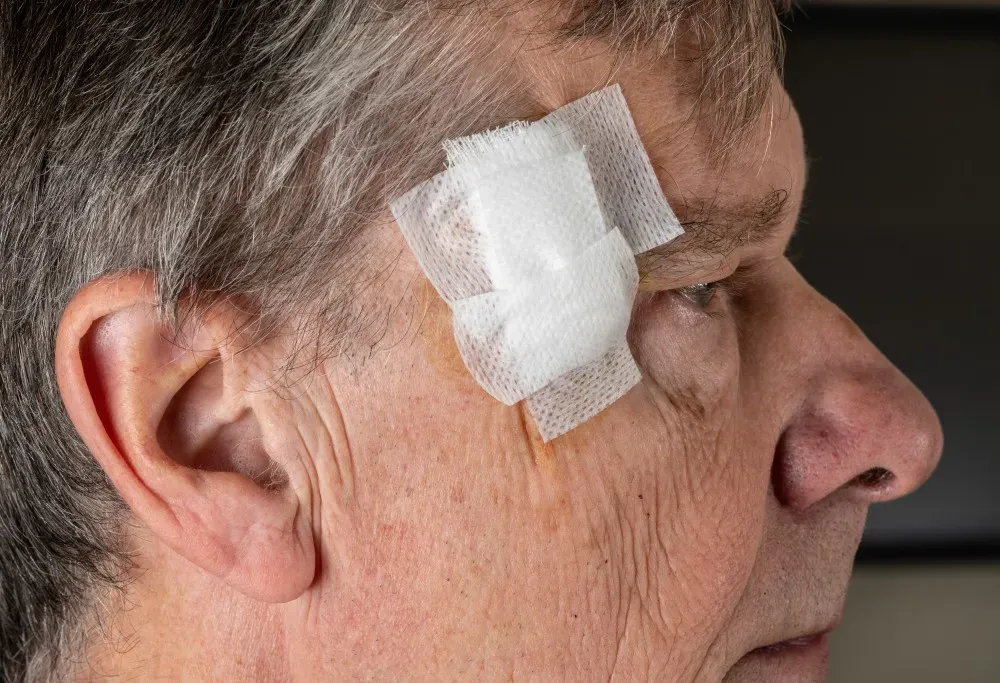
Most people associate Mohs surgery with the face, and for good reason — it’s the go-to treatment for skin cancer on the nose, eyelids, and ears, where preserving tissue and minimizing scarring are critical. But the same qualities that make Mohs effective on the face apply to other sun-exposed areas where skin cancer develops frequently.
A 2024 review of skin cancer distribution found that the head and neck account for roughly 55% of all cutaneous squamous cell carcinomas, with the hands and forearms adding another 18%.
Our board-certified dermatologists and Mohs surgeons at Vivida Dermatology treat skin cancers across all of these sites at our offices in Las Vegas and Henderson, Nevada, and St. George, Utah.
The scalp absorbs ultraviolet (UV) exposure year-round, especially in people with thinning hair or baldness. About 13% of skin cancers develop on the scalp, and tumors here tend to be diagnosed later than those on the face because they’re hidden under hair and harder to spot.
Scalp skin is also thin and sits directly over the skull, leaving little room for wide margins. Mohs conserves tissue by confirming clear edges under the microscope before closing, avoiding removal of more scalp than necessary. The layer-by-layer approach also catches the irregular borders that scalp tumors are known for.
The neck, especially the back, gets steady sun exposure that people forget to protect. Skin cancers here can be tricky to treat with standard excision because the skin is mobile and sits over important structures. Removing a wide margin on the neck creates a larger wound that can be difficult to close without pulling on surrounding tissue.
Mohs reduces wound size by removing only what the microscope shows is cancerous. For tumors near the hairline, the jawline, or the throat, smaller wounds mean simpler repairs and less visible scarring.
Your hands see more cumulative sun exposure than almost any other part of your body. The backs of the hands and forearms are common sites for squamous cell carcinoma. The skin on the back of the hand is thin, with tendons, veins, and joints sitting close beneath the surface.
Standard excision with wide margins can compromise function in an area where every millimeter of tissue affects how well the hand moves. Mohs removes only what’s necessary, which protects the tendons and structures underneath while still achieving the high cure rates the procedure is known for.
The face gets most of the attention, but the scalp, neck, and hands share several characteristics that make Mohs a strong fit, such as:
In all of these locations, the core advantage of Mohs stays the same: your surgeon confirms clear margins in real time rather than cutting wide and hoping the lab confirms it days later.
Skin cancers outside the face need the same careful margin checking and tissue conservation that facial sites do. To discuss whether Mohs fits your situation, contact one of our offices today.