5 Tips for Preventing and Managing Eczema Flare-Ups
Nov 23, 2026
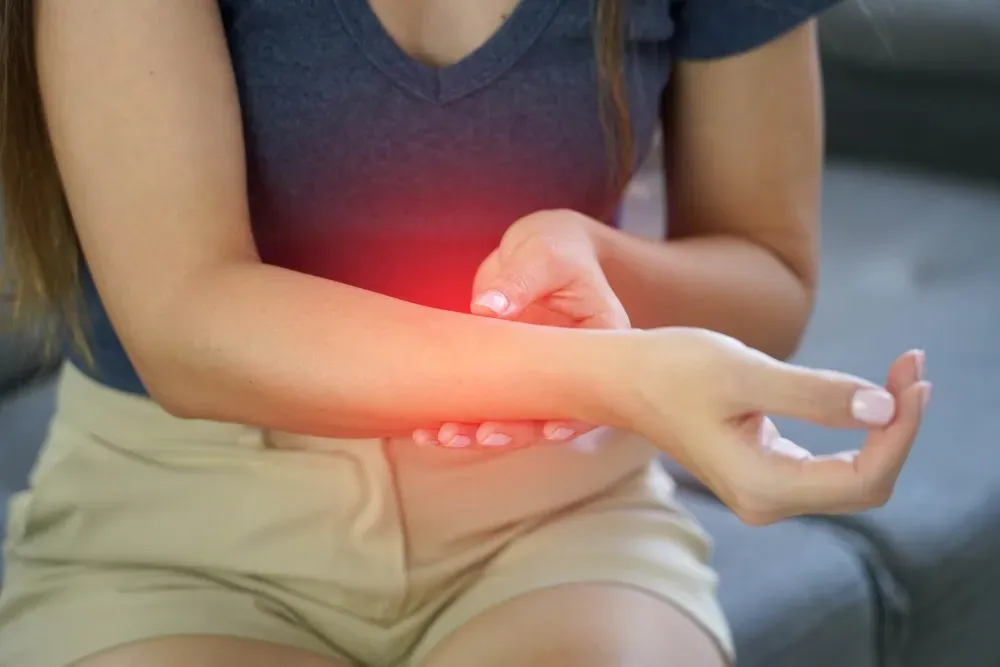
The skin is the human body’s largest organ, so when eczema develops, it can cast a wide net and make you supremely uncomfortable — as the more than 31 million Americans with eczema can confirm.
While there may not be a cure for eczema, there are certainly plenty of great prevention and management strategies, which our team of skin health experts at Vivida Dermatology wants to review with you here.
When you have eczema, it makes your skin drier and far more sensitive than usual. So, a great frontline practice is to make sure that you keep your skin well moisturized. Believe it or not, dry skin is a trigger for an eczema flare-up, so it’s a great place to start.
We recommend that you use eczema-approved moisturizers that don’t contain any unnecessary ingredients, such as fragrances or alcohol, which are found in most over-the-counter products.
Instead, focus on moisturizing creams that are oil- and water-based. A great rundown of good moisturizing practices and products can be found here.
While you might think bathing and showering can help with dry skin, the reality is the opposite — taking hot showers and baths actually dries your skin out.
So, it’s very important to:
Following these gentle bathing practices helps protect your skin barrier and keeps eczema flare-ups at bay.
When it comes to preventing an eczema flare-up, few practices are better than managing your triggers. For many people, eczema flare-ups occur due to specific conditions, allergens, and environments.
Some of the more common triggers include:
If you identify which triggers your eczema flare-ups, you can reverse the process and find ways to avoid them.
More research is uncovering the link between stress and your health, and eczema has a strong association. When you’re stressed, the chemicals change in your body, which can trigger autoimmune conditions like eczema.
So, a great practice is to try to minimize stress, which is easier said than done these days. Still, meditation, exercise, and breathing exercises can help a good deal with stress reduction.
To manage active eczema flare-ups, it’s important to have the right toolkit at your disposal so you can intervene quickly.
For example, prescription topical steroids and anti-itch products can help calm an eczema flare-up, so we recommend keeping some on hand.
To pull together the right eczema toolkit and prevention strategy for your goals, contact us to schedule a consultation. We have offices in Las Vegas and Henderson, Nevada, as well as St. George, Utah.